People Die Everywhere
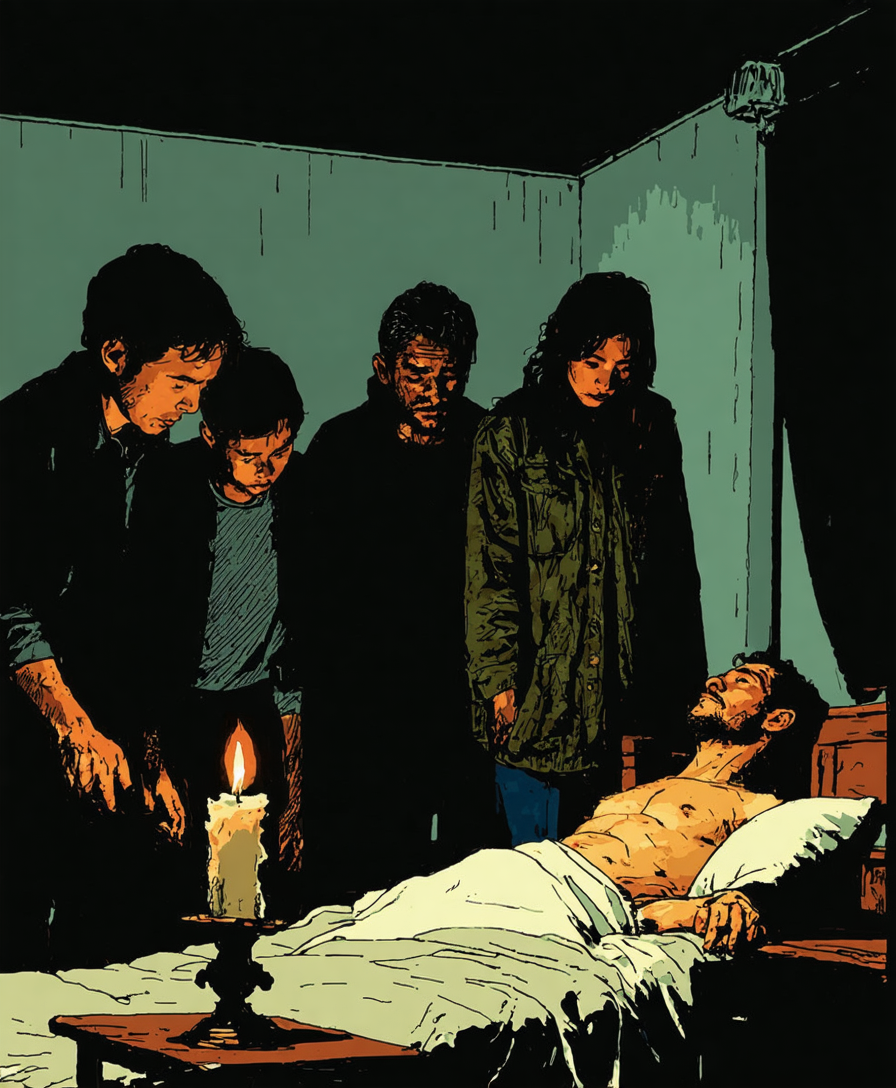
People die everywhere. Hospice workers, including volunteers, go to where patients live. Often this is the patient’s home, but just as frequently patients reside in residential or nursing facilities. Hospice patients may also be in prison or living on the streets, homeless.
There are four main types of facilities hospice workers visit, and each presents a different experience and requires a different approach. In my experience, all four vary widely in the quality of care and comfort they provide. As volunteers, we must adapt to these different living circumstances.
We go to our patients, no matter where they are. About half to two-thirds of the patients I see are in their own homes. The remaining one-third to one-half live in one of four types of facilities. In these settings, patients usually live in smaller rooms, have meals provided, and share the space with anywhere from three to three hundred other residents. The four types of care facilities are: Group Residential Care Homes, retirement communities, assisted living facilities, and Skilled Nursing Facilities (SNFs).
“For what is it to die but to stand naked in the wind and to melt into the sun?”
Group Residential Care Homes look like ordinary houses in residential neighborhoods and typically house two to six patients. Caregivers are present 24/7. Most patients have their own room but share bathrooms and eat meals with the other residents. The level of care is usually moderate to high.
The first time I visited a patient in a residential care home, I was convinced I had the wrong address. I drove through a neighborhood with basketball hoops in driveways, people walking their dogs, and gardeners mowing lawns. The house matched the address but looked no different from any other. I nearly called Teri, my volunteer coordinator, to report a mistake. When the woman who answered the door confirmed it was Loving Care Home, I was sure I was disturbing a random homeowner. Seeing my hospice badge and confusion, she laughed and said, “Oh, you’ve never been to a place like this before!”
What confused me is exactly what makes these homes special: they feel like real homes, not facilities. Residents are cared for by the same people every day, and the caregiver-to-patient ratio is high. It feels like visiting someone in their own home. Patients often bring personal belongings, even furniture. The continuity, personalization, and sense of family are deeply comforting.
Retirement communities are exactly what they sound like: communities designed for older, mostly retired adults, usually age 55 and up. They range in size from a few dozen residents to tens of thousands. Many are gated and have higher security, meaning non-residents cannot enter without permission. While some offer meal plans, most residences have full kitchens. Security is one of the primary benefits.
“Live as if you were to die tomorrow. Learn as if you were to live forever.”
Visiting patients in retirement communities is much like visiting someone in a single-family home, townhouse, condominium, or apartment. The main difference is the security, which can range from signing a guest log to presenting government ID and completing paperwork. Some communities issue visitor badges, and in most cases a resident must confirm the visit.
Because residents are there by choice rather than necessity, these communities are often quite nice. Parking is usually safe and accessible. When visiting for the first time, I always allow extra time. Depending on the size and layout, finding a patient can take a while.
Assisted living facilities provide a higher level of care. Residents often have mobility challenges or other health issues and usually carry call buttons at all times. Apartments typically do not have full kitchens—usually just a small refrigerator and microwave. Meals are provided through on-site dining services. Nursing staff are available to manage medications and provide medical support. These facilities often look polished and are expensive. While many are well run, I have also visited assisted living facilities that were understaffed and poorly managed.
Security is standard, often requiring ID, sign-in, and a temporary badge. Residents usually have private apartments, allowing for confidential visits. I’ve found there are often quiet common areas where patients can meet if they want to leave their room. Many assisted living facilities also offer multiple levels of care, including memory care for dementia patients. Memory care units usually have additional security to prevent wandering. I always allow extra time when visiting these units.
“Just as despair can come to one only from other human beings, hope, too, can be given to one only by other human beings.”
Skilled Nursing Facilities (SNFs), formerly known as nursing homes, provide round-the-clock nursing care. In the United States, they have long carried a poor reputation. As medical facilities, they must accept Medicaid when patients can no longer pay. Because Medicaid reimburses below the actual cost of care, these facilities are often understaffed and underfunded, despite caring for patients with the highest needs.
For first-time visitors, these places can be shocking. Even after many visits, I still have to steel myself for what I will see, hear, and smell. Many residents are at the lowest point of their lives—lonely, depressed, and deeply vulnerable. In all but private, religiously affiliated facilities, there is an immediate assault on the senses. People are bedbound or wheelchair-bound. There is moaning, screaming, crying, and pleading for help. Staff are visibly overworked. Rooms are often overcrowded, with three or four patients in spaces designed for two. Neglect becomes an inevitable part of the system.
I’ve had some wonderful patients in nursing facilities, but it is impossible to pass so many desperate people without trying to offer something—at least a smile or a kind word. It is heartbreaking. By the time I reach my patient’s room, I need to recenter myself. On the way out, I pass the same suffering. When I finally step outside, it feels like escaping from hell.
“It is because of pain that you value pleasure, sorrow that you value joy, despair that you value hope, war that you value peace, and hate that you value love.”
Hospice workers regularly visit patients outside their homes and encounter vastly different environments—from enhanced security protocols that slow access, to high or dangerously low caregiver-to-patient ratios, to state-funded facilities saturated with despair. Volunteering for hospice is not just sitting with someone in their living room, sharing milk and cookies while they reminisce. Volunteers see everything. They travel throughout their region to sit with patients regardless of circumstances. Some hospice workers even visit patients in prison or on the streets, where homelessness intersects with illness and death.
People die everywhere.
Hospice workers work everywhere.